
How WebAssembly and HTML5 Changed Browser Games: From Mobile Slots to Complex Interactive Applications
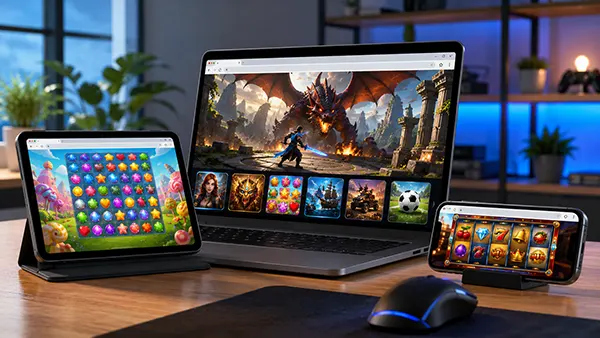
Browser games have changed dramatically over the past fifteen years. What were once simple entertainment products with limited graphics and functionality have evolved into sophisticated experiences capable of running on desktops, smartphones and tablets. Much of this progress has been driven by HTML5 and WebAssembly, two technologies that have expanded what developers can achieve directly within a web browser. Their influence extends far beyond casual games, affecting online casinos, educational tools, creative software and many other interactive applications available in 2026.
The Rise of Modern Browser Gaming
Before HTML5 became the industry standard, many browser games relied on plugins such as Adobe Flash. Although Flash helped developers create interactive content, it often caused performance issues, security concerns and compatibility problems, especially as mobile internet usage continued to grow. Players frequently encountered games that worked well on one device but struggled on another.
The wider shift towards browser-based gaming is also visible in how modern casino websites organise their content and game libraries. Nolimit casino features sections dedicated to slots, table games, poker and other gaming categories, reflecting how browser technologies have made online entertainment easier to access through a wide range of devices and web browsers.
HTML5 addressed many of the challenges associated with older technologies. It introduced native support for video, audio and graphics rendering, allowing developers to create games that could run directly in a browser without requiring additional software. As a result, users gained quicker access to content while developers benefited from broader compatibility across operating systems and devices.
Why Browser Games Became More Accessible
One of the most significant advantages of HTML5 was accessibility. Players no longer needed to install plugins or download large files before starting a game. A stable internet connection and a modern browser were often enough to access a wide range of entertainment options.
This improvement proved particularly important for mobile users. As smartphones became the primary device for online activity, game developers needed solutions that could adapt to different screen sizes and hardware capabilities. HTML5 made responsive design easier to implement, helping games maintain functionality across numerous devices.
For businesses, greater accessibility meant reaching larger audiences. Users could switch between desktop and mobile devices without learning a new interface or installing separate applications, creating a more consistent experience across multiple environments.

How WebAssembly Expanded Browser Capabilities
While HTML5 improved compatibility and usability, WebAssembly focused on performance. Introduced as a compact binary instruction format, WebAssembly allows code written in languages such as C++, Rust and C# to run efficiently inside modern browsers. This significantly reduces the performance gap between browser applications and traditional desktop software.
The impact on gaming has been substantial. Developers can now create browser experiences featuring advanced graphics, complex calculations and detailed simulations that would have been difficult to deliver through traditional web technologies alone. Games load faster, process information more efficiently and offer smoother interactions.
Beyond gaming, WebAssembly is increasingly used in professional applications. Design software, engineering tools, video editors and educational services use the technology to provide advanced functionality directly through a browser, reducing the need for large software installations.
The Future of Interactive Web Experiences
The combination of HTML5 and WebAssembly continues to reshape digital experiences in 2026. HTML5 provides a flexible foundation for multimedia content and cross-device compatibility, while WebAssembly supplies the performance required for demanding tasks and sophisticated applications.
For users, these developments translate into faster loading times, smoother gameplay and more reliable access across devices. For developers, they create opportunities to build increasingly complex projects without forcing audiences to install dedicated software.
As internet infrastructure, cloud services and browser technologies continue to advance, interactive web experiences are expected to become even more capable. The distinction between browser applications and traditional software is gradually becoming less noticeable, opening the door to new forms of entertainment, productivity and online interaction.